
Programs focused on prevention and support can help mitigate these impacts, ensuring healthier futures for children affected by parental addiction. Resources such as exploring five ways to support a loved one through treatment are invaluable for families seeking to navigate these challenges. Understanding the genetic factors involved in addiction is crucial in recognizing why it is often considered an addiction family disease. Multiple genes and shared genetic markers play significant roles in determining an individual’s risk for developing substance use disorders. Addiction is often considered a family disease because it profoundly impacts not only the individual struggling with substance abuse but also the entire family unit. The dynamics of addiction leads to alcohol rehab strained relationships, codependency, enabling behaviors, and emotional distress among family members.
Empowering Sobriety Tattoo: Serenity, Courage, Wisdom – Symbolizing Recovery’s Journey
- Even if you have failed previously and relapsed, or are in the middle of a difficult crisis, we stand ready to support you.
- Our team helps families understand the emotional journey that comes with addiction recovery and aims to reaffirm and maintain healthy relationships between family members.
- In these cases, it is important to separate the two parties so that the person with the addiction can get the help they need to break the cycle of both dependency and addiction.
- These tattoos are symbols of honor for those in recovery, showcasing their strength, resilience, and determination to escape addiction’s hold.
Teenagers face unique challenges as they https://troxfire.com/alcohol-and-allergies-does-it-make-them-worse/ navigate their own identity development while managing family chaos. They may assume premature adult responsibilities, caring for younger siblings or even the addicted parent during periods of crisis. This role reversal robs them of crucial developmental experiences and often leads to difficulties with boundaries and relationships in adulthood.
The Caretaker
It’s common for parents or spouses to initially take issue with the phrase if they’ve never heard it before. SUDs can lead to significant problems in all aspects of a person’s life. Patterns of symptoms resulting from substance use (drugs or alcohol) can help a doctor diagnose a person with a SUD or SUDs and connect them to appropriate treatment. The process of choosing a design, collaborating with a skilled tattoo artist, and enduring the physical sensation of getting inked can be an empowering and therapeutic journey.
- Individuals who present in our clinical settings can be seen as “symptomatic,” and their pathology can be viewed as an attempt adapt to their family system so as to maintain homeostasis.
- For family members, there are many sources and services available to them.
- Confronting them one day may lead to a tearful heart to heart, whereas another day it may lead to a knock-down drag-out argument or threatening a relapse.
- It marks the client’s commitment to recovery, a popular choice for those celebrating sobriety milestones.
- Now, this one’s a shout-out to the unsung heroes who’ve braved the storm of addiction and have sought help from the strong pillars of support groups.
Impact on Families

Medications also can help deter drinking during times when individuals may be at greater risk of a return to drinking (e.g., divorce, death of a family member). In a phenomenon called “reversal of dependence needs” the child actually begins to parent the parent. Healthcare providers and the medical community now call substance addiction substance use disorder.
Genetic Factors of Addiction
Table 1 is an adaptation sobriety tattoos of Carter and McGoldrick’s family life cycle stages as applied to families with SUDs. When families do not move through the life cycle and get stuck, individual members can exhibit clinical symptoms. It should be noted that blended families with stepparents and stepchildren have their own developmental needs that are impaired by SUDs as well, but those are not detailed in this table.
While the loved one is in active recovery, family members should heal their issues with healthy coping mechanisms and learning self-care. Lifelong support stems from a place of care, and it starts with each family member. Support creates a tremendously positive influence to help the individual in recovery believe they can move past their addictions. As children transition into adulthood they are still strongly affected by their parents as their parents are by them. One of the factors that can perpetuate SUDs is the enabling that family members frequently engage in. Enabling is a form of accommodation that protects the individual with the SUD from fully experiencing the consequences of his or her substance use.
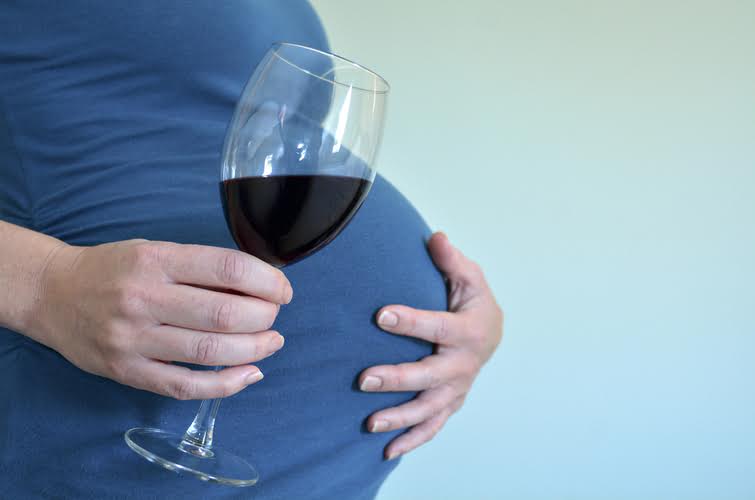
- Supportive friends, family members and healthcare providers play an essential role in effective treatment as well.
- Do you desire that God would give you greater faith as you fight the battles of life?
- Attachment theory provides a way of understanding the development and quality of relationships between family members.
- Similar to the home environment, communication between substance abusing parents and teachers and the larger school system is poor.
- It’s common for the family members to get so wrapped up and consumed by the problem of the addict, that they begin to completely neglect and underestimate any problems of their own.
It’s a powerful recovery tattoo idea for someone who has navigated the challenges of sobriety. The tattoo shows a single drop creating ripples in still water, symbolizing the moment of impact when one decides to embrace sobriety. Its simple design speaks volumes about starting fresh, making it a powerful choice for recovery tattoos. This sobriety tattoo features a lotus in bloom, a symbol of purity and new beginnings, perfect for marking a recovery milestone. With a heart charm representing love and self-care, it’s a popular recovery tattoo idea that holds deep meaning for those on a sobriety journey. These small sobriety tattoos, can be as complex as the journey they represent.
